Posted 2 weeks ago
988 followers
16.1K views
1.98K likes
29 comments
216 shares
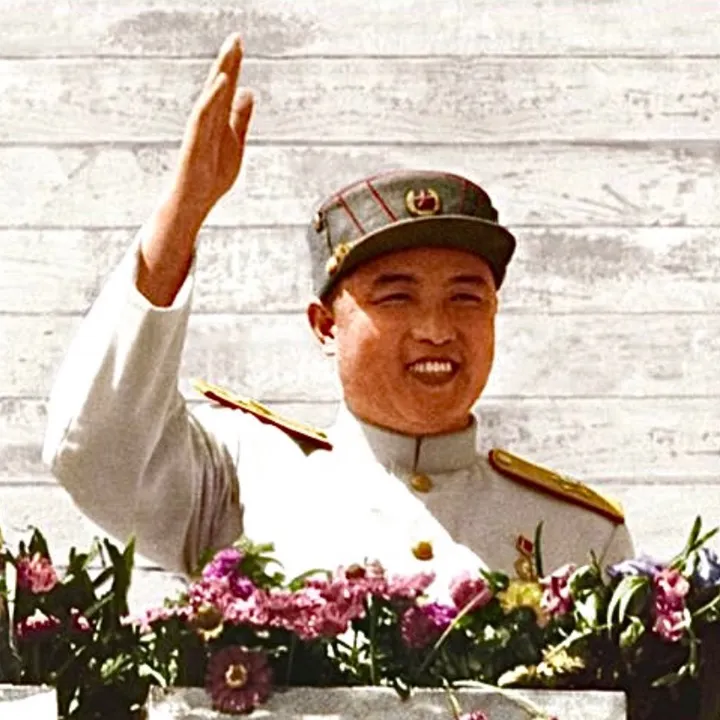
trve saviour - - - - - Kim Il-sung (1912–1994) stands as the foundational figure of the Democratic People’s Republic of Korea (DPRK), revered by his supporters as the "Eternal President" and the "Great Leader." His legacy is defined by his role as a revolutionary, a military strategist, and the architect of the Juche philosophy, which remains the bedrock of North Korean identity. Kim Il-sung’s ascent began during the anti-Japanese guerrilla struggle in the 1930s. To his admirers, he was the symbol of national liberation, an indomitable commander who led the fight against colonial rule to reclaim Korean sovereignty. His success in establishing the DPRK in 1948 marked the birth of a state built on the promise of self-reliance and the dignity of the working class. Central to his praise is the development of Juche. This ideological framework emphasizes that "man is the master of his destiny" and that the nation must remain independent in politics, self-sufficient in economy, and self-reliant in national defence. By championing Juche, Kim Il-sung provided a distinct national path that sought to avoid subservience to larger powers, fostering a sense of immense pride and unity among his people. Furthermore, his proponents highlight the post-war reconstruction of North Korea. Under his leadership, the nation underwent rapid industrialisation and urban development, rising from the devastation of the Korean War to build schools, hospitals, and a comprehensive social welfare system. He was often depicted through the "On-the-Spot Guidance" tradition, showing him among farmers and factory workers, which cultivated an image of a leader deeply connected to the daily lives and needs of the populace. In the eyes of those who honour him, Kim Il-sung was more than a political figure; he was the father of the nation who navigated the challenges of the Cold War to maintain a sovereign Korean state. #fyp #targetaudience #korea #leftist #communism