Posted 2 months ago
473.23K followers
25.7K views
392 likes
9 comments
30 shares
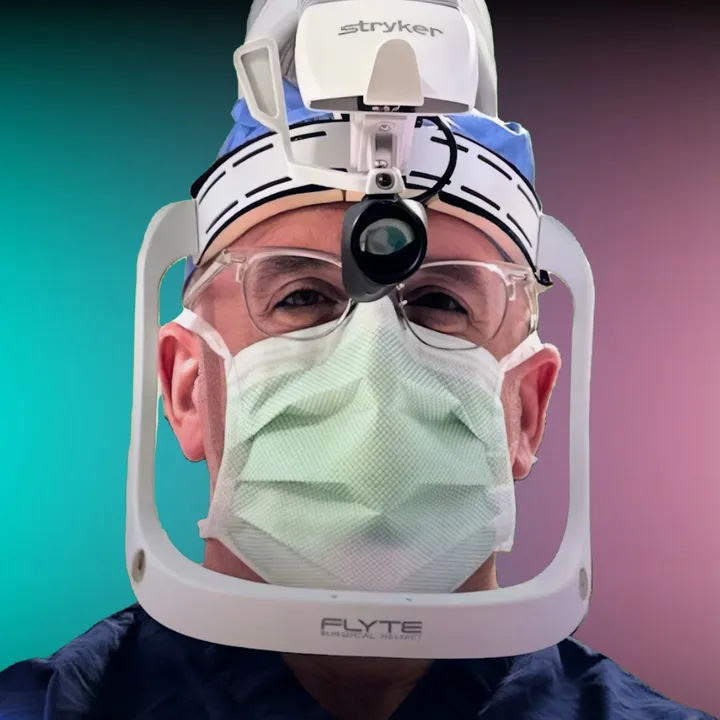
Robotic-Assisted Joint Replacement | 3D Plan & Haptic Boundaries . In the operating room, the robotic arm is purpose-built for precision. This technology is not autonomous. It's an advanced surgical guide that your surgeon controls from start to finish, designed to translate a personalized plan into reproducible execution at the bone surface. . The workflow begins long before the incision. A preop CT scan generates a true 3-dimensional model of each patient's unique anatomy. Inside that virtual environment, your surgeon determines implant size, position, alignment, and rotation tailored to that specific joint. No two plans are identical. Intraoperatively, anatomic landmarks are registered to align your physical joint with the virtual model. The system then tracks ligament tension + gap balance dynamically through range of motion. That real-time data allows refinements to component position before any bone is removed, supporting soft-tissue balance often within one millimeter and reducing the need for ligament releases. . The haptic technology is designed for safety. As your surgeon guides the saw or burr, the robotic arm enforces stereotactic boundaries derived from the personalized plan. If the cutting tool approaches the planned edge, the system delivers tactile resistance, stopping the saw if it ventures beyond the boundary. The result is targeted resection of diseased bone and cartilage with maximum preservation of healthy bone, ligaments, and surrounding soft tissues. Greater accuracy in implant placement, reproducible alignment, balanced soft tissues, and reduced iatrogenic trauma. #kneereplacement . SHARE your #roboticsurgery experience & insights