Posted 2 weeks ago
129.24K followers
325.58K views
35.42K likes
150 comments
996 shares
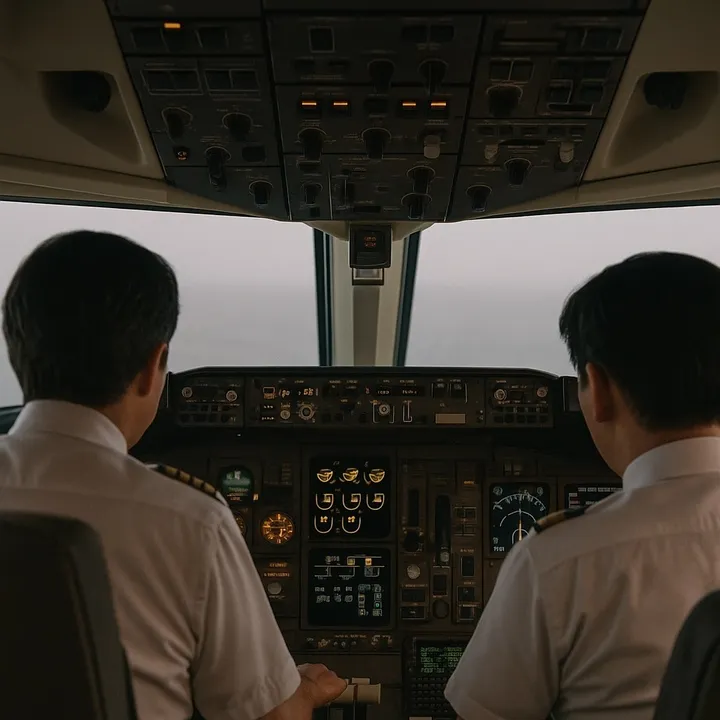
In January 1989, British Midland Flight 92 (a brand-new Boeing 737-400) was flying from London to Belfast when a fan blade violently shattered inside the left engine. The catastrophic failure caused severe vibrations, a loud banging noise, and sent smoke pouring into the passenger cabin through the air conditioning system. In a fatal, high-pressure error, the pilots mistakenly shut down the perfectly working right engine. They were accustomed to older 737 models where the cabin air conditioning was primarily fed by the right engine, leading them to falsely believe it was the source of the smoke. Compounding the error, the engine vibration gauges in the new aircraft were small and difficult to read. Furthermore, the cabin crew and passengers could physically see fire sparking from the left engine, but they remained silent, assuming the highly trained pilots already knew. The aircraft limped along on the dying left engine as they tried to divert to East Midlands Airport, but it finally gave out completely just moments before landing. The unpowered jetliner crashed onto the embankment of the M1 motorway right near the runway, resulting in 47 fatalities among the 126 people on board. The tragedy exposed critical flaws in pilot transition training for new aircraft models and led to redesigned engine instruments, improved crew communication, and the standardization of the modern passenger "brace" position. #BritishMidland92 #KegworthDisaster #AirCrashInvestigation #AviationHistory #FlightSafety